Scope of Packaging Glass, Lighting Glass & Ceramic Coating
Glass and glazed ceramics are non-porous silicate substrates where conventional paints rapidly peel upon exposure to moisture or ethanol. At STANIAX, we formulate waterborne and solventborne organic coatings modified with organosilanes that bond chemically to glass hydroxyl groups, cured in convection ovens up to 180°C or UV tunnels.
What Do We Coat in the STANIAX Glass & Ceramic Division?
Tailored solutions for cosmetics brands, perfumeries, distilleries, candle makers, and lighting manufacturers
Ordering mass-tinted glass directly from a glassworks requires massive minimum production runs (often 200,000+ bottles per furnace campaign) and limits brands to a handful of standard feeder colors (amber, flint green, cobalt). Industrial glass bottle coating at STANIAX lets you source standard, stock clear flacons or jars and customize them in any signature Pantone or RAL shade starting from just a few hundred or thousand units.
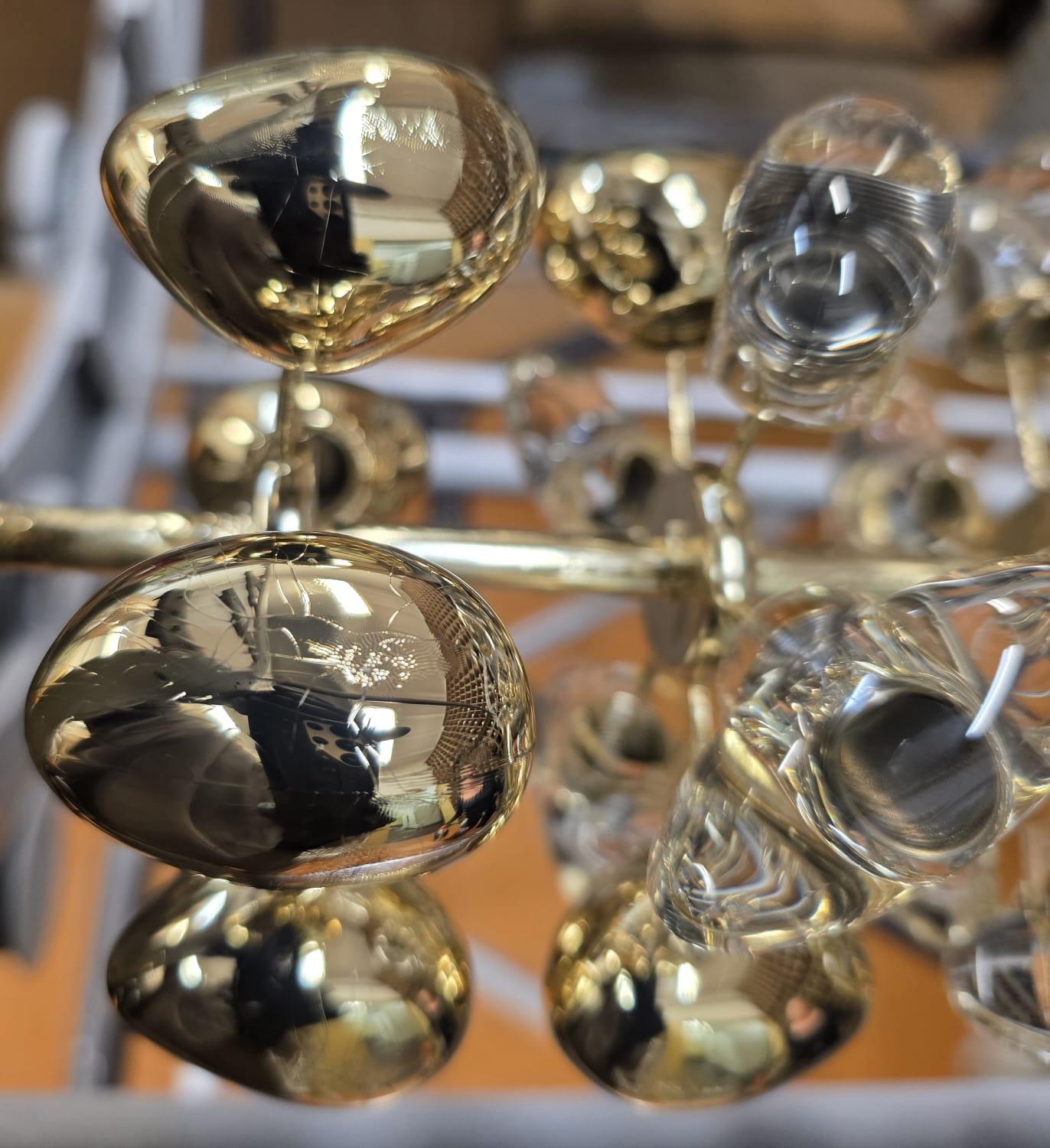
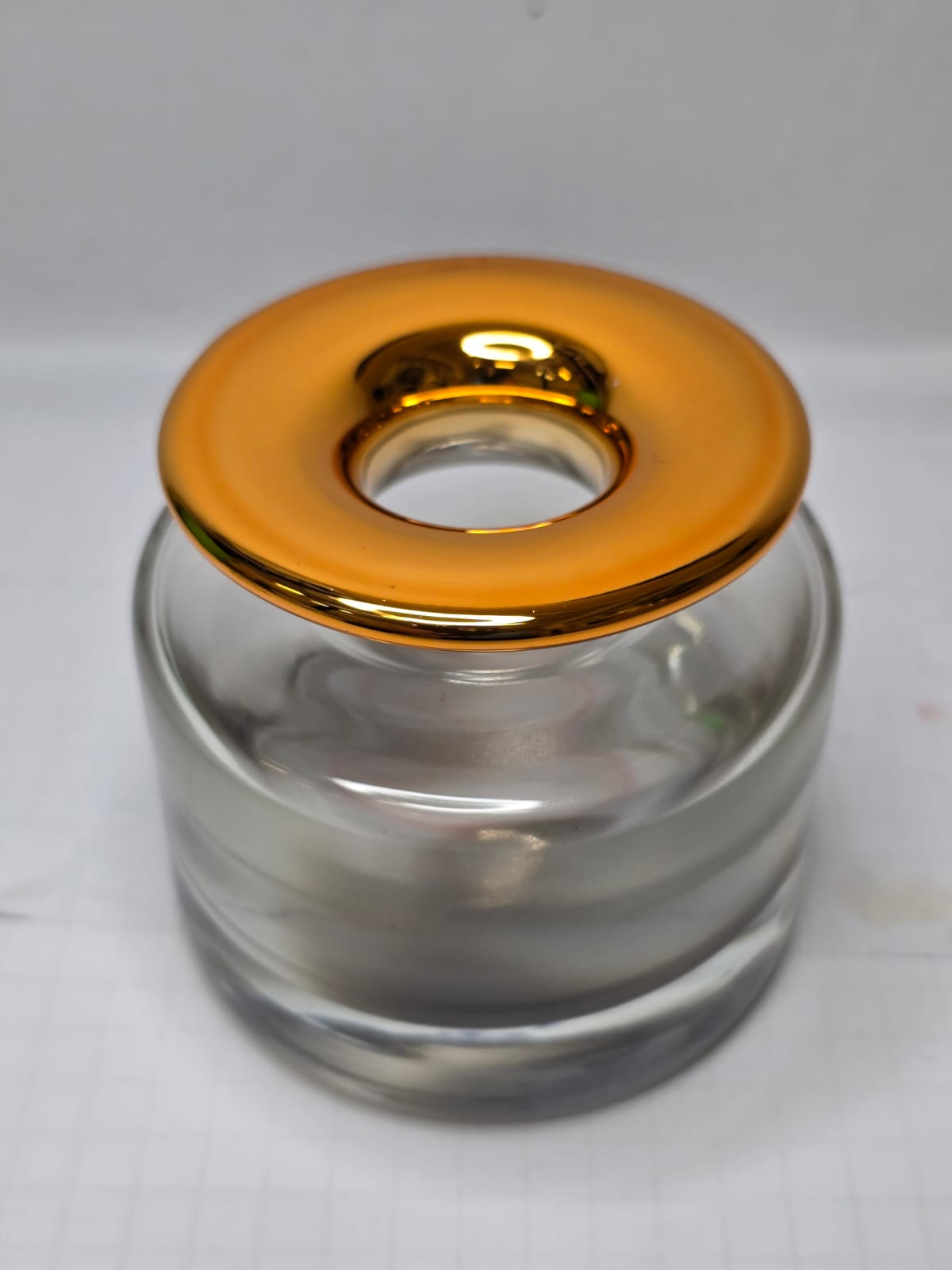
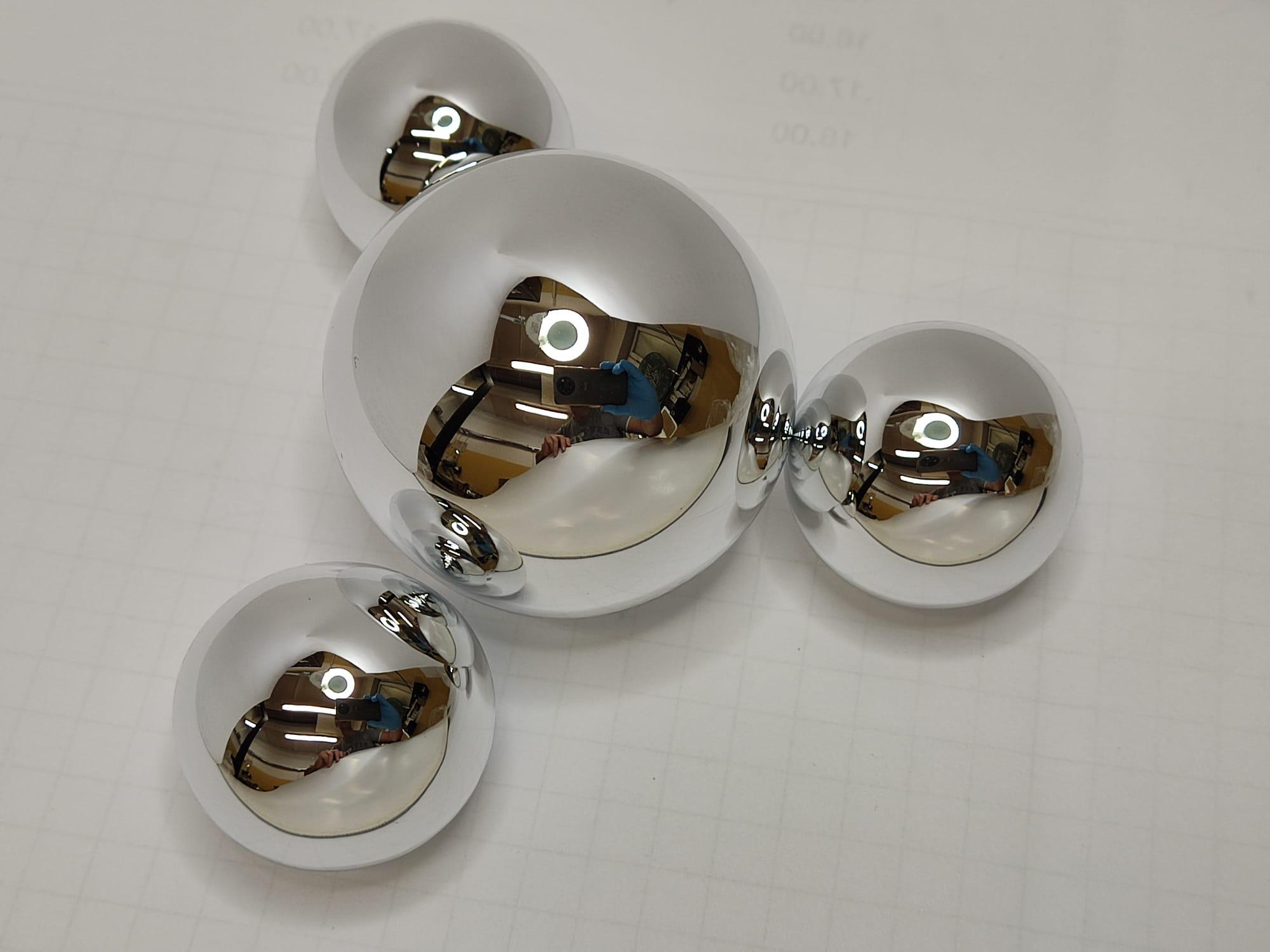
Furthermore, surface spray coating unlocks visual effects that molten glass furnaces cannot produce: multi-color ombre gradients, pearlescent shimmers, warm Soft-Touch haptics on glass, and mirror PVD metallization.
Ethanol Resistance & Bottling Line Durability
Perfume flacons and spirits bottles face extreme chemical and mechanical stress: splashes of 80-96% ethyl alcohol and essential oils during filling, ice-bucket immersion, and bottle-to-bottle abrasion on conveyor lines. STANIAX guarantees durability through:
Silane adhesion promoters creating covalent Si-O-Si chemical bonds with the silicate glass surface.
High-temperature thermal baking (150-180°C) or UV crosslinking for maximum pencil hardness and chemical resistance.
Precision neck finish masking (FEA 15/18/20 and screw threads) ensuring leak-free crimping of parfum atomizers.
UV Protection for Skincare & Compatibility with Screen Printing / Hot-Stamping
Opaque coating of clear glass jars and dropper bottles protects light-sensitive active ingredients from photodegradation. At the same time, we formulate our coatings without migratory silicones so decorators can apply crisp UV screen printing or hot-stamped metallic foil directly onto our painted surface.
Coating and Metallization of Ceramics, Porcelain & Candle Vessels
Alongside packaging glass, we coat and vacuum-metallize ceramic candle jars, porcelainware, flower pots, and technical ceramics - using pore-sealing primers on bisque ceramics and silane activation on glazed surfaces.
Glass & Ceramic Coating Case Studies (Inspect with Magnifier)
Hover over the photos to inspect gradient smoothness and neck masking precision.
PERFUME FLACONS & SERUM BOTTLES
Decorative Coating & Metallization of Cosmetic Glassware
Combination of opaque, metallic, and translucent finishes with precision neck masking for crimp atomizers and droppers.
96% ethanol rub & immersion test: passed
OMBRE GRADIENTS & TRANSLUCENT TINTS
Smooth Tonal Transitions on Contoured Glass Packaging
Thermally cured organic glass coatings delivering crystal-clear color depth without haze or orange peel.
Post-water-soak adhesion: 5B (ISO 2409)
SERIAL B2B LUXURY PACKAGING
High-Gloss & Satin Finishes on Packaging Glass
Repeatable serial production verified under D65 daylight lamps and packed in cellular dividers.
100% compatible with hot-stamping & screen printing
Frequently Asked Questions About Glass & Ceramic Painting
Answers for packaging buyers, brand owners, glass distributors, and printing houses.
Is the coating on perfume bottles resistant to alcohol spills and essential oils?
Yes. For perfumery glass we use thermosetting and UV-crosslinked silane-modified systems baked at up to 180°C. Once cured, the film will not soften, stain, or delaminate upon contact with 96% ethanol or concentrated fragrance oils.
Can screen printing or hot-stamping be applied over STANIAX glass coatings?
Yes. Our glass coatings are engineered for downstream decoration (UV and 2-component screen printing, pad printing, hot foil stamping, and pressure-sensitive labeling). Let us know your decoration method when ordering so we select a silicone-free top coat with optimal surface tension.
Why do brand-new bottles from a glassworks require special pre-washing before painting?
Glass factories apply invisible slip coatings (cold-end coatings such as polyethylene wax or oleic acid) so bottles slide smoothly along glassworks conveyors. Those waxes prevent paint adhesion. At STANIAX we strip cold-end coatings thermo-chemically and flame-activate the glass before spraying.
What is the minimum order quantity (MOQ) for glass bottle coating?
We process both small pilot/limited-edition launches (from a few hundred pieces) and high-volume serial runs of tens of thousands of bottles. Before full production, we prepare physical color samples on your glassware for sign-off.
Can you mask the bottle neck thread or leave a clear viewing window?
Yes. Standard neck masking keeps FEA crimp necks and screw threads completely free of paint so closures fit within tolerance. We also mask bottle bottoms and vertical viewing windows.
Are your coatings safe for scented candle jars exposed to heat?
Yes. For glass and ceramic candle vessels we use heat-resistant coatings baked at up to 180°C that do not discolor, crack, or release odors when heated by a burning candle.
Request a Free Quote for Glass Bottle & Ceramic Painting
Specify your vessel type (perfume flacon, jar, spirits bottle, ceramic), dimensions/capacity, desired effect (ombre, frost, opaque RAL/Pantone, metallic), and batch quantity.